
PowerWood Canada To Build Two Black Pellet Plants In Northern Alberta
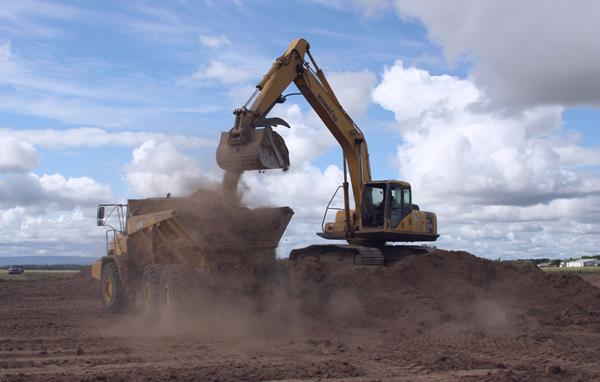 PowerWood Canada Corp., headquartered in Calgary, has progressed its plans to build two steam-exploded black pellet production facilities in Northern Alberta for the Japanese power plant market.
The company will pull from the region’s fire damaged timber when it completes its first facility, named for the Peace River, on 65 acres of prepared land near La Crete, in Mackenzie County. Construction is slated to commence in the spring of 2026 and the creation of up to 290 new jobs anticipated through its construction, operation and supply chain.
PowerWood Canada Corp.’s CEO David Peters, says, “We’re immensely proud to be working alongside local businesses and our indigenous partners in harvesting this firewood, helping address the wildfire threat in the area, and at the same time producing a truly viable low-carbon direct drop-in replacement for coal.”
The facilities will also see the introduction of Canada’s first steam explosion pellet production process, using Valmet’s BioTrac’s steam explosion process. It differs from torrefaction by exposing raw cellulosic materials under pressure to 240°C steam, to release its acetic acid, break down fiber cell walls and expel sugars (to be converted into biochemical byproduct furfural). A sudden drop in pressure and expulsion from BioTrac’s reactor chamber granulates the isolated organic matter for heat-drying and compression into highly-compact, energy-dense black biofuel pellets, with 94% less carbon release than coal.
Latest news
Legacy Plant Converting To ‘Carbon Negative AI Factory’
Legacy Plant Converting To ‘Carbon Negative AI Factory’Specializing in developing smaller carbon footprints for AI operations, New York-based NewYork GreenCloud (NYGC) has acquired the closed Buena Vista Biomass Power facility in Ione, Calif., with plans to convert...
John King Chains Celebrates 100th Year
John King Chains Celebrates 100th YearJohn King Chains Group is celebrating its 100th anniversary in 2026. Established in Leeds, England in 1926, the enterprise began by producing plain pedestal bearings for coal mining pit tubs. Expansion came with the rapid...
Weyco Wood Fiber Will Feed Aymium Biocarbon
Weyco Wood Fiber Will Feed Aymium Biocarbon Weyerhaeuser Co. and Aymium entered a memorandum of understanding (MOU) to partner to produce and sell 1.5 million tons of sustainable biocarbon annually for use in metals production. As an initial stage of this partnership,...
Webster Industries Purchases Renold
Webster Industries Purchases RenoldMPE Partners along with its portfolio company, Webster Industries, announced the closing of its acquisition of Renold plc, a leading designer, engineer, manufacturer, and supplier of premium, high specification industrial chain and...
Find Us On Social
Subscribe to Our Newsletter
Wood Bioenergy News Online hits the inboxes of subscribers in the wood-to-energy sectors.
Subscribe/Renew
Wood Bioenergy is published and delivered worldwide 6 times per year. Free to qualified readers in the U.S. Subscribers outside the U.S. are asked to pay a small fee.
Advertise
Complete the online form so we can direct you to the appropriate Sales Representative.